
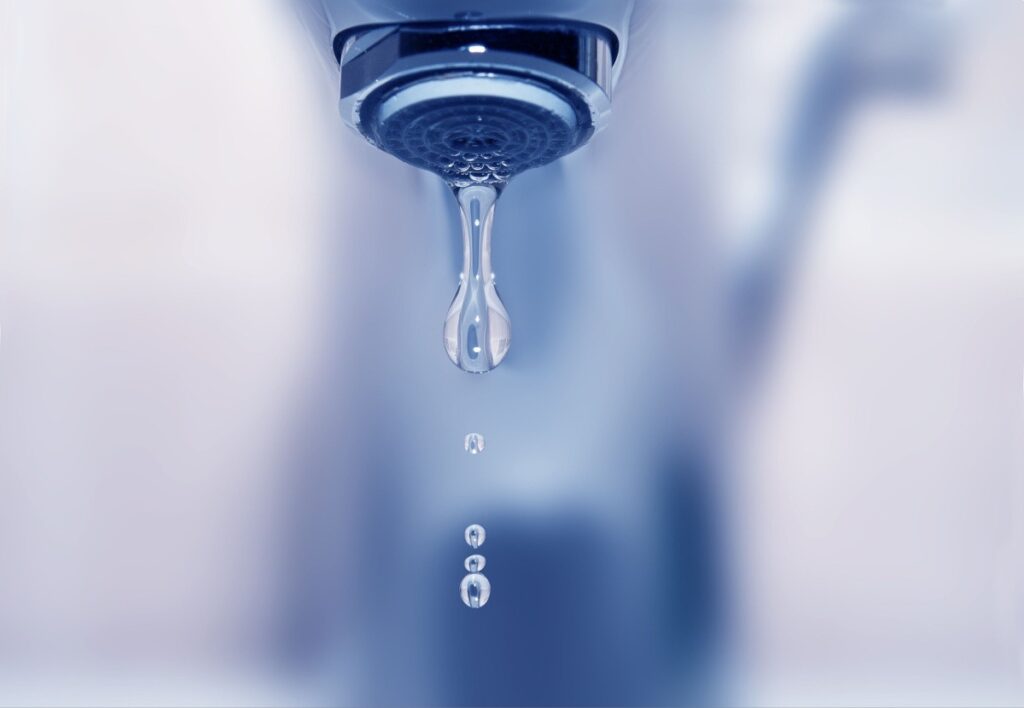
Does a Dripping Faucet Increase My Water Bill?
A dripping faucet has a way of fading into the background. The sound becomes familiar, the drip seems minor, and the assumption is that it cannot be costing much. In reality, even a slow, steady drip can have a noticeable effect on your water usage over time. What looks like a minor inconvenience at the sink may signal a plumbing issue that deserves attention sooner rather than later.
Homeowners deal with this problem every day across kitchens, bathrooms, and laundry rooms. Understanding how a faucet leak affects your water bill, your fixtures, and your home can help you decide when it is time to call for professional repair.
How a Dripping Faucet Impacts Water Usage
A faucet that does not fully shut off pulls water from your water supply continuously. One drip may not feel important, but the total volume grows quickly. Over the course of days and weeks, that wasted water adds up, and you’ll see the result on your bill.
Many people only notice the cost after comparing month-to-month statements. The increase is often gradual, which makes it harder to connect the dots. Faucet leaks are among the most common reasons for unexplained changes in household water use.
Why a Small Leak Becomes a Bigger Expense
The size of the leak matters less than its consistency. A slow drip that never stops can waste hundreds or even thousands of gallons in a year. Factors that affect how much water is lost include:
- How frequently the tap drips
- Water pressure in the plumbing system
- The age and condition of the faucet
- How long the leak has been present
A sink that drips once every few seconds may feel harmless, but that steady flow never takes a break.
Common Reasons Faucets Start Leaking
Faucet leaks rarely happen without a reason. Most stem from normal wear inside the fixture.
Worn Components Inside the Faucet
Washers, cartridges, and seals control how water moves through the tap. Each time the handle is turned, these parts experience friction. Over time, they lose their ability to form a tight seal, allowing water to escape even when the faucet appears closed.
Water Pressure Stress
High water pressure places extra strain on fixtures. When pressure stays elevated, internal parts wear faster, and leaks develop sooner than expected.
Mineral Buildup
Minerals found in water can collect inside the faucet body. This buildup interferes with moving parts and prevents the tap from shutting off completely. It can also cause stiffness when turning the handle.
Previous Repairs That Missed the Mark
Temporary fixes or mismatched replacement parts often lead to recurring leaks. A faucet may appear repaired at first, only for the dripping to return weeks later.
Why Faucet Leaks Should Not Be Ignored
A rising water bill is only one consequence of a leaking faucet. Ongoing leaks can create problems that extend beyond the fixture itself.
Moisture Under the Sink
Water that escapes below the sink can soak into cabinets, flooring, and nearby walls. This damage often stays hidden until it becomes harder to address.
Wear on Connected Plumbing
A leaking faucet places added stress on supply lines and nearby connections. Over time, this strain can lead to additional leaks or reduced fixture lifespan.
Bathroom and Shower Concerns
Leaks in a bathroom or shower area can cause staining, corrosion, and surface damage. Constant moisture also affects comfort and cleanliness around sinks and tubs.
Signs Your Dripping Tap Needs Professional Repair
Some leaks seem easy to brush off, especially if tightening the handle slows the drip. In many cases, that is only a temporary change.
Red Flags to Watch For
You should consider professional plumbing service if you notice:
- Dripping that continues after adjusting the handle
- Water collecting under the sink
- Changes in water pressure at the tap
- Visible corrosion or mineral residue around the fixture
These signs often indicate an internal problem that requires proper repair, and in some cases, a plumbing emergency that needs urgent attention.
Why Professional Repair Makes a Difference
A licensed plumber can identify the source of the leak and address it correctly the first time. This includes inspecting the faucet, checking the water supply connection, and confirming there are no related leaks nearby. That approach helps avoid repeat issues and protects the surrounding areas of the home.
Kitchen vs Bathroom Faucet Leaks
The location of the leak influences how quickly problems develop and what areas are affected.
Kitchen Sink Leaks
Kitchen sinks see heavy daily use, which speeds up wear. Leaks here can affect garbage disposals, supply lines, and cabinet interiors. Food particles combined with moisture can also create lingering odors.
Bathroom Faucet and Shower Leaks
Bathroom fixtures may go unused for long periods, allowing leaks to persist unnoticed. A dripping shower can waste a surprising amount of water over time, even if the leak seems minor at first.
Reducing the Risk of Future Faucet Leaks
While no faucet lasts forever, simple habits can help limit ongoing leaks and unnecessary water loss.
Helpful steps include:
- Addressing drips as soon as they appear
- Turning taps gently instead of forcing them closed
- Scheduling routine plumbing inspections
- Paying attention to changes in water pressure
Proactive service often prevents small issues from growing into larger plumbing problems.
Schedule Faucet Repair With Friends Plumbing
A dripping faucet may seem like a small concern, but the impact on your water bill, fixtures, and home can be far greater than expected. Friend’s Plumbing provides professional faucet and fixture repair for kitchens, bathrooms, and showers, backed by decades of local experience.
If you are dealing with a persistent sink leak, a dripping tap, or rising water costs without a clear reason, our team is ready to help. Contact Friend’s Plumbing today to schedule reliable plumbing service and put an end to wasted water.