
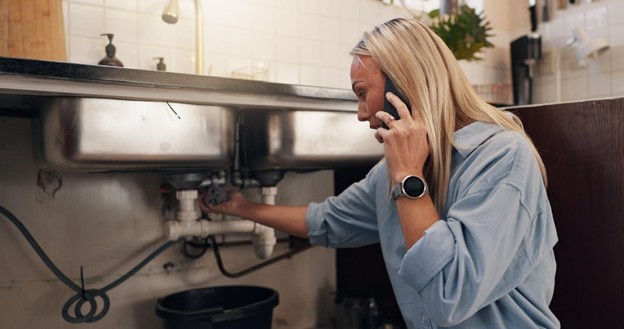
Plumbing Emergency: What to Do Before the Plumber Arrives
A plumbing emergency can turn a calm evening into a stressful one in seconds. A burst water pipe, a flooded bathroom, or a leaking water heater can cause major damage before you even find a towel. Acting quickly can help protect your home, limit water damage, and make the repair process faster when your plumber arrives.
Recognizing a True Plumbing Emergency
Some problems can wait for a regular appointment, but others call for an emergency plumber right away. If water, gas, or waste is escaping uncontrollably, it’s time to act fast.
Common Plumbing Emergencies
- Burst water pipe or leaking pipe behind a wall
- Overflowing toilet or drain backup
- Water heater leak or flooding near the tank
- Gas leak or hissing near a tap or valve
- Sewage odor or visible waste near drains
If you’re unsure, treat it as an emergency and make the call. Plumbing emergencies can escalate within minutes and cause long-term water damage.
Turn Off the Water and Power
The most important step in stopping a flood is shutting off the water supply. Locate your main valve, which is usually near the meter or where the main line enters your home, and turn it clockwise to stop the flow. For isolated issues, such as a leaking sink or toilet, close the smaller valve near the fixture.
If the water level begins to rise, shut off power at the breaker box. Water and electricity don’t mix. Keep everyone out of flooded rooms until you’re certain the power is off and it’s safe to enter.
Find the Source of the Leak
Identifying the source helps your plumber respond faster. Dry the area and check where the water returns. Look under sinks, around toilets, and near your water heater. Damp walls, bubbling paint, or musty smells can also point to a hidden leak.
If you can’t locate it, that’s fine! Professional leak detection equipment can find even the smallest leaks hidden inside walls or floors. When you call for help, describe what you’ve seen and any noises or odors. Every detail helps your plumber prepare for the right repair.
Contain and Limit the Damage
Once you’ve stopped the flow, your next goal is to contain the water. Move furniture and electronics away from the area. Use towels, buckets, or a wet/dry vacuum to collect standing water. Open doors and windows to help the space dry faster.
Even minor moisture can lead to mold, warped floors, or structural issues. If your walls, carpet, or furniture have been affected, take photos for insurance before cleanup begins. Quick action here can save thousands later.
Handle Gas Leaks and Sewer Backups Safely
Not all plumbing emergencies involve water. Gas leaks and sewage problems require immediate caution.
If you smell gas, leave the building immediately. Do not turn on lights or electronics. Once you’re safely outside, call your gas company or local emergency line. After they clear the property, contact a plumber to repair the damaged pipe and check for additional leaks.
Sewer backups and backflow issues are just as serious. If you notice foul odors, gurgling drains, or visible waste, stop using your plumbing fixtures and wait for professional emergency drain service. Running more water will only push the blockage deeper and spread contamination.
Use Caution with Drain Cleaners
A clogged drain can be stressful, but reaching for a chemical drain cleaner often makes things worse. These products can eat through older pipes and create future repair problems. Instead:
- Try a plunger or hand auger for small clogs.
- Remove visible debris near the drain cover.
- Avoid pushing tools too far down the pipe.
If that doesn’t work, wait for professional drain cleaning. Licensed plumbers use specialized equipment to clear blockages safely without harming your plumbing system.
Prevent Further Flooding
After you’ve turned off the water supply and cleaned up standing water, keep monitoring for slow leaks or dripping fixtures. Check that your sump pump and filtration systems are working properly to handle leftover moisture.
To help prevent another emergency, schedule routine maintenance for your plumbing service. Regular inspection of valves, taps, and water heaters helps catch small issues early. Commercial properties should also plan grease trap cleaning and backflow testing to avoid future emergencies.
When to Call for Help
Once you’ve stabilized the situation, it’s time to bring in the professionals. Call for a 24-hour plumber as soon as possible. Be prepared to describe:
- Where the leak or flood started
- Any unusual smells, sounds, or pressure issues
- What steps you’ve already taken
Sharing these details helps the plumber arrive with the right tools for quick repair and minimizes time spent diagnosing the problem.
Choosing the Right Emergency Plumbing Service
Not every company provides reliable 24-hour emergency plumbing service. Choose licensed, insured plumbers with proven experience handling urgent problems like burst pipe repair, emergency water heater repair, and sewer backups. Look for clear pricing, good reviews, and availability for after-hours plumbing calls.
Having a trusted same-day plumber on speed dial means less stress when problems strike in the middle of the night.
Call Friend’s Plumbing for 24/7 Emergency Service
When a plumbing emergency hits, you need help now, not tomorrow. Friend’s Plumbing offers 24-hour plumbing service across the Tampa Bay area with licensed plumbers ready to handle any crisis. From burst water pipes and flood control to gas leak repair and emergency plumbing services, we’re available all hours to protect your home and restore your water supply.
Call today for immediate emergency service from a trusted 24-hour plumber. Our team provides fast, professional plumbing repair, inspection, and maintenance so you can get back to normal as soon as possible. Friend’s Plumbing is your reliable partner for every emergency, day or night.