
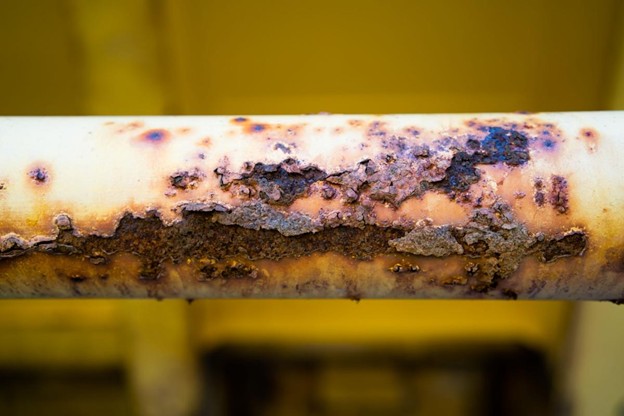
How to Check for Pipe Corrosion in Your Home
Pipe corrosion is one of the most common plumbing problems homeowners face, and catching it early can save thousands in repair costs. Over time, corrosion weakens metal pipelines and fittings, leading to leaks behind walls, under floors, or inside ceilings. Recognizing the signs before major water damage occurs is key to protecting your home’s water supply and extending the longevity of your plumbing system.
Understanding What Causes Pipe Corrosion
Corrosion is the gradual breakdown of metal through a chemical reaction between water, oxygen, and other substances inside the pipe. Different materials react in different ways; for example, steel and iron can oxidize, forming rust, while copper often develops small pinholes called pitting corrosion.
The process can accelerate when other elements are introduced, such as minerals, chlorine, or variations in pH. Even small shifts in water quality can influence how the interior of a pipe reacts. If your water feels metallic, tastes strange, or looks cloudy, corrosion may already be taking place.
Common Factors That Accelerate Corrosion
- Water chemistry: High or low pH levels, hardness, and mineral content all affect the rate of deterioration.
- Pressure and temperature: Constantly fluctuating pressure or heat from nearby HVAC and water heaters can stress plumbing materials.
- Electrical and chemical influences: Stray electricity or nearby chemical substances can create redox imbalances, leading to galvanic corrosion between dissimilar metals.
- Soil and moisture: Buried pipelines exposed to acidic soil or continuous moisture corrode faster, especially where the coating has worn away.
Regular maintenance and inspection are the best defenses against corrosion.
Identifying the Signs of Corrosion
Visual inspection is one of the easiest ways to detect early damage. Begin with visible areas around sinks, toilets, and the water heater. Look for green, blue, or brown stains on fittings or valves. Rust-colored water or a metallic taste at the tap also suggests internal corrosion.
Physical Indicators of Pipe Damage
- Flaking or discoloration on copper or galvanized steel
- Damp spots on walls, ceilings, or floors that point to leaks
- Low water pressure in specific fixtures
- Frequent drain clogs or slow flow, which may signal internal buildup
- Musty smells or water stains near plumbing lines
If you notice any of these signs, call a plumber for professional leak detection and a full video drain inspection. Catching the issue early often prevents more costly repiping later.
Testing Your Water for Corrosive Conditions
The quality of your drinking water plays a major role in the lifespan of your plumbing system. Testing kits can measure pH, mineral content, and dissolved oxygen levels. Ideally, household water should have a neutral pH around 7. If the number is too low, the water is acidic and more likely to dissolve metal surfaces from the inside out.
Factors to Evaluate in a Water Test
- pH: Acidic water accelerates corrosion and affects taste.
- Chlorine and chloride levels: High concentrations can attack protective oxide layers inside pipes.
- Temperature: Hot water increases the rate of chemical reaction, especially in lines near water heaters.
- Electrolyte content: Minerals like salt increase conductivity, which contributes to galvanic corrosion.
Professional plumbers can interpret these results and recommend protective measures such as corrosion inhibitors or cathodic protection systems.
Inspecting Different Plumbing Materials
Not all pipes corrode in the same way. The material and age of your plumbing determine how you should inspect for damage.
Copper and Galvanized Steel
Copper is durable, but it can suffer from pitting corrosion when exposed to aggressive water chemistry. Small pinholes might form inside the pipe, creating slow leaks that go unnoticed until stains appear on nearby surfaces. Galvanized steel, on the other hand, loses its protective zinc layer over time. Once galvanization wears off, rust quickly spreads through the remaining metal.
Polybutylene and Plastic Piping
Older homes may still have polybutylene lines, which degrade when exposed to chlorine or other chemicals in municipal water. Replacing these with modern polyethylene or chlorinated polyvinyl chloride piping improves longevity and water quality.
Stainless Steel and Other Metals
Stainless steel resists oxidation better than iron or carbon steel, but it can still suffer from crevice corrosion or stress fatigue when installed near dissimilar metals or under poor welding conditions.
Knowing the type of material in your plumbing helps determine the right maintenance plan and repair strategy.
When to Consider Repiping
If your plumbing system is more than a few decades old, corrosion may have weakened it beyond simple repair. Frequent leaks, visible rust, or poor water flow are all warning signs that it may be time to repipe.
Repiping a house can sound intimidating, but modern methods make the process more efficient and affordable. Home repiping with PEX or copper gives your system a new start, with improved flow and better corrosion resistance.
Signs You May Need Repiping
- Repeated leaks despite recent repairs
- Discolored or bad-tasting drinking water
- Water pressure dropping across multiple fixtures
- Frequent clogs or buildup in drains
- Visible rust or moisture around pipelines
Discuss repipe options with your plumber to find the most practical solution for your home and budget.
Preventing Corrosion Through Proper Maintenance
Routine inspection and maintenance keep corrosion from turning into costly damage. Have your plumbing checked regularly for leaks, pH balance, and water pressure stability. If your home uses a water heater or other HVAC components tied to the plumbing system, keep the temperature set within safe limits to reduce stress on connected lines.
Applying protective coatings, maintaining correct pressure, and using corrosion inhibitors can all extend pipe longevity. Plumbers can also install cathodic protection systems to neutralize the electron exchange that fuels redox reactions. These systems balance the anode and cathode currents, helping prevent metal loss within the pipelines.
Regular attention from experienced plumbers reduces the risk of water damage, flooding, and emergencies caused by pipeline failure.
Call Friend’s Plumbing for Expert Repiping and Corrosion Repair
If you suspect corrosion or frequent leaks in your plumbing, call Friend’s Plumbing for professional service. Our licensed plumbers provide comprehensive inspections, leak detection, and full repiping for homes across the Tampa Bay area. We handle everything from copper and steel pipeline repair to home repiping with PEX or other modern materials.
Friend’s Plumbing offers prompt, reliable plumbing services that protect your home’s water supply and prevent costly water damage. Whether you need corrosion repair, a water quality inspection, or a whole-house repipe, our team delivers dependable solutions that last. Contact us today to schedule an inspection or request an estimate for repipe services from the experts you can trust.