
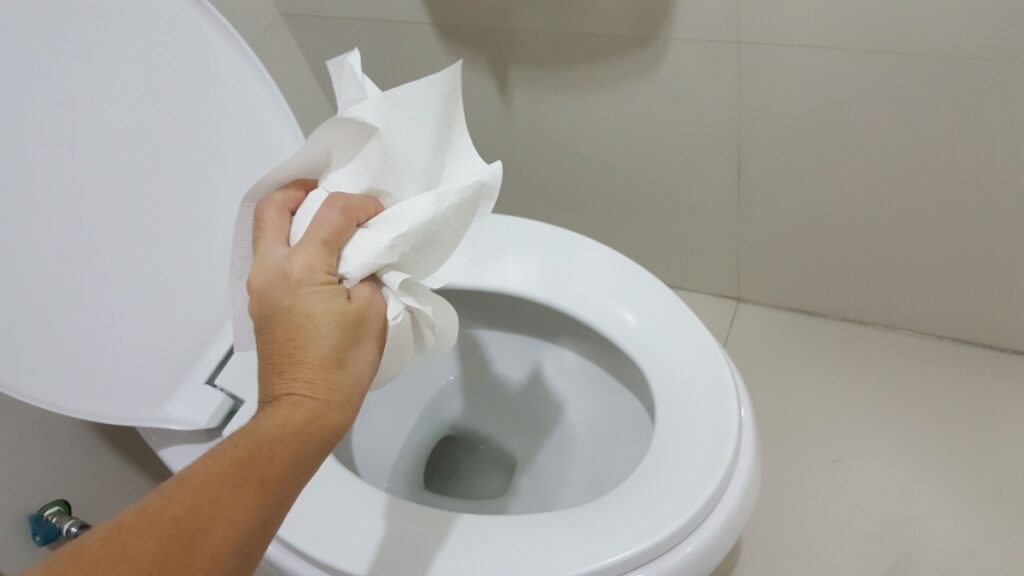
What Not to Flush: Protecting Your Pipes the Right Way
Many of us feel like our toilets can handle anything — even if we’re advised against it. After all, when you flush whatever was there, it’s just gone, removed by a powerful flush. It’s so tempting to treat it like a trash can for anything you want to get rid of quickly.
The truth is, your home’s plumbing and the city’s sewer system are not built for that kind of treatment. They are designed for one specific job, and sending the wrong things down the drainage pipes can lead to some seriously messy and expensive problems, from a stubborn clog to major water damage.
So-Called “Flushable” Wipes
This is the big one. You see the word “flushable” on the package and think you’re in the clear. But that label is more of a marketing gimmick than a factual statement. These wipes do not break down in water the way toilet paper does. Toilet paper is made to dissolve almost instantly.
A “flushable” wipe is basically a small, durable piece of cloth. It holds its shape, travels down your pipe, and gets snagged on the first corner or bit of buildup it finds. Once caught, it acts like a net, catching everything else that follows.
Paper Towels and Tissues
You might think paper is paper, but your plumbing system strongly disagrees. Paper towels are engineered for toughness and absorption. Their whole purpose is to stay together when wet, which is the exact opposite of what you want happening inside your home’s pipes.
Facial tissues are also a problem. Many have lotions and are woven with binders to give them softness and strength. They just don’t dissolve quickly enough. They can easily clump together into a pulpy mess that refuses to move, bringing your drainage to a halt.
Cotton Balls, Swabs, and Rounds
These little bathroom items seem so harmless, but they are masters of deception. The problem is with cotton paper. They don’t dissolve quickly enough. Instead, they can clump together in the drainage line, forming a pulpy mass that slows everything down before hardening into a serious clog.
Feminine Hygiene Products
Products like tampons and pads are designed with one primary goal: maximum absorption. Flushing one of these items sends it into a watery environment where it does exactly what it was made to do, and that’s a huge problem for your pipes.
It will expand to many times its original size, creating an almost immediate and total blockage. This is one of the fastest ways to cause a toilet to overflow, which can lead to significant water damage on your floors and the ceiling below if you’re not careful.
Dental Floss
How can a tiny string of floss cause a problem? It’s actually one of the sneakiest culprits behind a major clog. Dental floss is not biodegradable. It’s often made of nylon or Teflon. When you flush it, it acts like a web or net inside your drainage system. It wraps itself around other debris, tangles into a ball, and creates a net that catches hair, wipes, and waste.
Cooking Grease, Fats, and Oils
This is a very common kitchen mistake. You pour hot, liquid grease from a bacon pan or a pot roast right down the drain. It’s liquid, so it seems like it will just flow away. But as that grease travels through the cooler pipe system, it begins to change.
When it cools, it solidifies. It’s like pouring liquid candle wax down your drain. The fat coats the inside of your pipe, and over time, this sticky layer builds up, narrowing the passage until nothing can get through. This is how giant “fatbergs” form in city sewer lines, and it can happen in your own home’s plumbing, creating a leak risk.
Hair
It’s natural for hair to go down the shower drain, but flushing clumps of it from a brush down the toilet is asking for trouble. Hair does not dissolve in water; it floats until it catches on something rough inside the pipe.
Cat Litter
It might seem convenient to scoop the clump from the litter box and drop it in the toilet, but this is a recipe for disaster. Most cat litters are made from clay and sand, materials designed to absorb moisture and clump together into a hard mass.
When you flush this, you are essentially pouring a scoop of quick-drying cement into your plumbing. The litter clumps up, sinks, and hardens inside your pipes, creating a blockage that can be as hard as a rock.
Pills and Chemicals
Your pipes and the local environment will thank you for keeping these out of the toilet. Old medications don’t just disappear when flushed; they dissolve into the water supply. Municipal water treatment plants are not equipped to filter out all pharmaceuticals, which can have a negative impact on wildlife and ecosystems.
Flushed Something You Shouldn’t Have?
Accidents happen. If you’re facing a stubborn clog or a messy backup in the Tampa Bay area, you don’t have to deal with it alone. Friend’s Plumbing offers fast and reliable emergency plumbing services, where we perform services such as hydrojetting that get your system flowing freely again. Call now and don’t let a plumbing mistake turn into a disaster!